
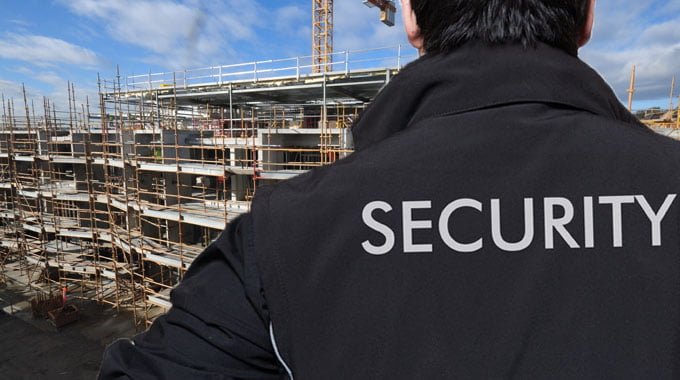
Construction sites are frequent targets for theft, vandalism, and unauthorized access. Right? Expensive equipment, valuable building materials, and partially completed structures often remain exposed during evenings, weekends, and holidays, making them attractive to criminals.
A single theft or act of vandalism can delay project timelines, increase insurance costs, disrupt contractors, and result in thousands of dollars in unexpected expenses. Beyond financial losses, security incidents can also create serious safety risks for workers and the public.
Fortunately, many of these risks can be significantly reduced with a proactive construction site security strategy. So, let’s have a look at the most effective ways to prevent theft and vandalism for construction projects in Vancouver.
Why Construction Sites Are Frequently Targeted
Unlike permanent commercial buildings, construction sites constantly change. New materials arrive daily, equipment is moved around, and multiple contractors access the property throughout the project.
These conditions create several security challenges, including:
- Valuable equipment left outdoors
- Temporary fencing and access points
- Limited lighting after working hours
- Multiple subcontractors entering the site
- High-value materials awaiting installation
- Reduced supervision during evenings and weekends
Without proper security controls, these vulnerabilities can quickly lead to costly incidents.
The Real Cost of Construction Site Theft
What happens when essential equipment goes missing from a construction site? The cost is rarely limited to replacing the stolen items. A single theft can slow down the entire project and create problems that continue long after the incident.
A construction business may also face:
- Project delays when work cannot continue as planned
- Missed deadlines that put pressure on the entire team
- Higher labour costs due to lost working time
- Increased insurance costs after repeated incidents
- Extra equipment rental costs to replace stolen tools or machinery
- Contract penalties when projects fall behind schedule
- Loss of client trust when delays affect agreed timelines
That is why preventing theft is worth the effort. Remember, a few practical security measures today can help businesses avoid much higher costs later.
Common Security Risks on Construction Sites
Understanding the most common threats helps project managers develop an effective security plan. Below are a few.
- Equipment Theft: Heavy machinery, generators, compressors, power tools, and specialized equipment are valuable targets because they can be quickly resold.
- Material Theft: Copper wiring, lumber, steel, aluminum, HVAC units, plumbing fixtures, and electrical supplies are commonly stolen before installation.
- Vandalism: Unauthorized individuals may damage buildings, spray graffiti, destroy materials, or intentionally delay construction progress.
- Trespassing: People entering construction sites after hours create significant liability and safety concerns, even if theft does not occur.
- Fuel Theft: Fuel stored in heavy equipment and temporary tanks has become another common target for criminals.
10 Construction Site Security Best Practices
1. Install Strong Perimeter Fencing
The first line of defence is securing the site’s perimeter. Use durable fencing that clearly defines restricted areas and limits unauthorized access. Temporary fencing should be inspected regularly to ensure there are no damaged sections or gaps.
Where appropriate, install locked access gates and clearly display authorized entry points. A secure perimeter discourages opportunistic theft while making unauthorized entry more difficult.
2. Control Site Access
Construction projects often involve multiple contractors, suppliers, inspectors, and visitors. Implement access procedures such as:
- Visitor sign-in logs
- Employee identification badges
- Controlled gate entry
- Scheduled delivery times
- Restricted access to sensitive areas
Limiting access helps reduce both external and internal security risks.
3. Improve Lighting Throughout the Site
Criminals prefer poorly lit environments where they are less likely to be seen. Install adequate lighting around:
- Equipment storage areas
- Material staging locations
- Site entrances
- Parking areas
- Temporary offices
- Perimeter fencing
Motion-activated lighting can provide additional visibility while reducing energy costs.
4. Secure Equipment After Working Hours
Heavy equipment should never be left unsecured overnight. Best practices include:
- Removing ignition keys
- Locking operator cabins
- Activating equipment immobilizers
- Parking machinery close together
- Positioning equipment to block removal
For smaller tools, use locked storage containers or secure site trailers whenever possible.
5. Store Valuable Materials Securely
Building materials often arrive long before installation. Rather than leaving expensive materials exposed, consider:
- Locked storage containers
- Secured indoor storage
- Limited inventory deliveries
- Daily inventory checks
- Clearly labelled storage zones
Reducing visible inventory also lowers the temptation for theft.
6. Install Surveillance Cameras
Modern surveillance systems provide both deterrence and valuable evidence if an incident occurs. Position cameras to monitor:
- Entry gates
- Equipment yards
- Material storage
- Temporary offices
- Parking areas
- Perimeter fencing
Remote monitoring allows project managers to review activity even when the site is unattended.
Explore warehouse security best practices to keep materials, equipment, and other valuable items safe in temporary storage areas.
7. Use Security Signage to Deter Criminal Activity
Visible security signage can discourage unauthorized individuals from entering your construction site. Signs indicating surveillance cameras, restricted access, and monitored premises remind potential intruders that security measures are in place. Place signs at:
- Site entrances
- Perimeter fencing
- Equipment storage areas
- Temporary offices
- Material storage locations
While signage alone won’t stop determined criminals, it adds another layer to your overall security strategy.
8. Perform Daily Equipment and Material Inspections
Small losses often go unnoticed until they become major problems. Implement a routine inspection process at the beginning and end of each workday. Your daily checklist should include:
- Equipment condition
- Fuel levels
- Tool inventory
- Material quantities
- Fence integrity
- Lock functionality
- Camera operation
Promptly reporting missing items allows your team to respond quickly and reduce further losses.
9. Train Employees on Site Security Procedures
Construction site security isn’t solely the responsibility of supervisors or security personnel. Every worker plays an important role in protecting the project. Provide regular training on:
- Reporting suspicious activity
- Securing tools before leaving
- Proper visitor procedures
- Locking storage containers
- Identifying safety hazards
- Emergency response protocols
Encouraging employees to remain vigilant helps create a culture of accountability across the job site. Reviewing retail theft prevention tips can also help workers understand how to spot and respond to suspicious activity.
10. Consider Professional Construction Site Security
Some projects require additional protection beyond fencing and surveillance systems. Professional security personnel can provide valuable support by:
- Conducting regular patrols
- Monitoring site entrances
- Verifying contractor and visitor access
- Responding quickly to suspicious activity
- Documenting security incidents
- Assisting during overnight hours, weekends, and holidays
Protect your site, equipment, and materials from theft and damage by hiring licensed security guards in Vancouver.
Creating a Construction Site Security Plan
Every construction project has unique risks based on its size, location, duration, and type of work. An effective site security plan should include:
Risk Assessment
Identify valuable assets, vulnerable areas, and likely security threats before construction begins.
Access Management
Define who can enter the site, how visitors are verified, and when deliveries are permitted.
Asset Protection
Determine where equipment, tools, and materials will be stored and how they will be secured.
Emergency Procedures
Develop clear processes for responding to theft, vandalism, trespassing, accidents, or severe weather.
Regular Security Reviews
Review your security procedures throughout the project and adjust them as site conditions change.
A proactive security plan helps reduce disruptions while improving worker safety and operational efficiency.
Common Construction Site Security Mistakes
Many thefts occur because of avoidable oversights rather than sophisticated criminal tactics. Some of the most common mistakes include:
- Leaving Equipment Unlocked: Heavy machinery should always be secured when not in use. Removing keys and activating immobilizers can prevent unauthorized operation.
- Storing Valuable Materials in Open Areas: Leaving copper wiring, lumber, tools, or expensive materials exposed overnight increases the likelihood of theft.
- Poor Perimeter Maintenance: Damaged fencing, unsecured gates, or broken locks create easy entry points for trespassers.
- Inadequate Lighting: Dark areas around equipment yards and material storage locations make it easier for criminals to operate unnoticed.
- Delaying Incident Reporting: Even minor thefts or suspicious activity should be documented promptly. Early reporting allows businesses to identify patterns and strengthen security before larger incidents occur.
Final Thoughts
Construction sites have valuable equipment, materials, and tools, so keeping them secure should be a priority. Theft or vandalism can lead to delays, extra costs, and problems for the entire project.
Simple steps such as secure fencing, access control, security cameras, regular checks, and proper staff training can help reduce these risks. For larger or higher-risk sites, always hire licensed security guards in Vancouver for added protection.
Good site security is not just about protecting your equipment. It also helps keep your workers safe, avoid delays, and keep the project moving as planned.