
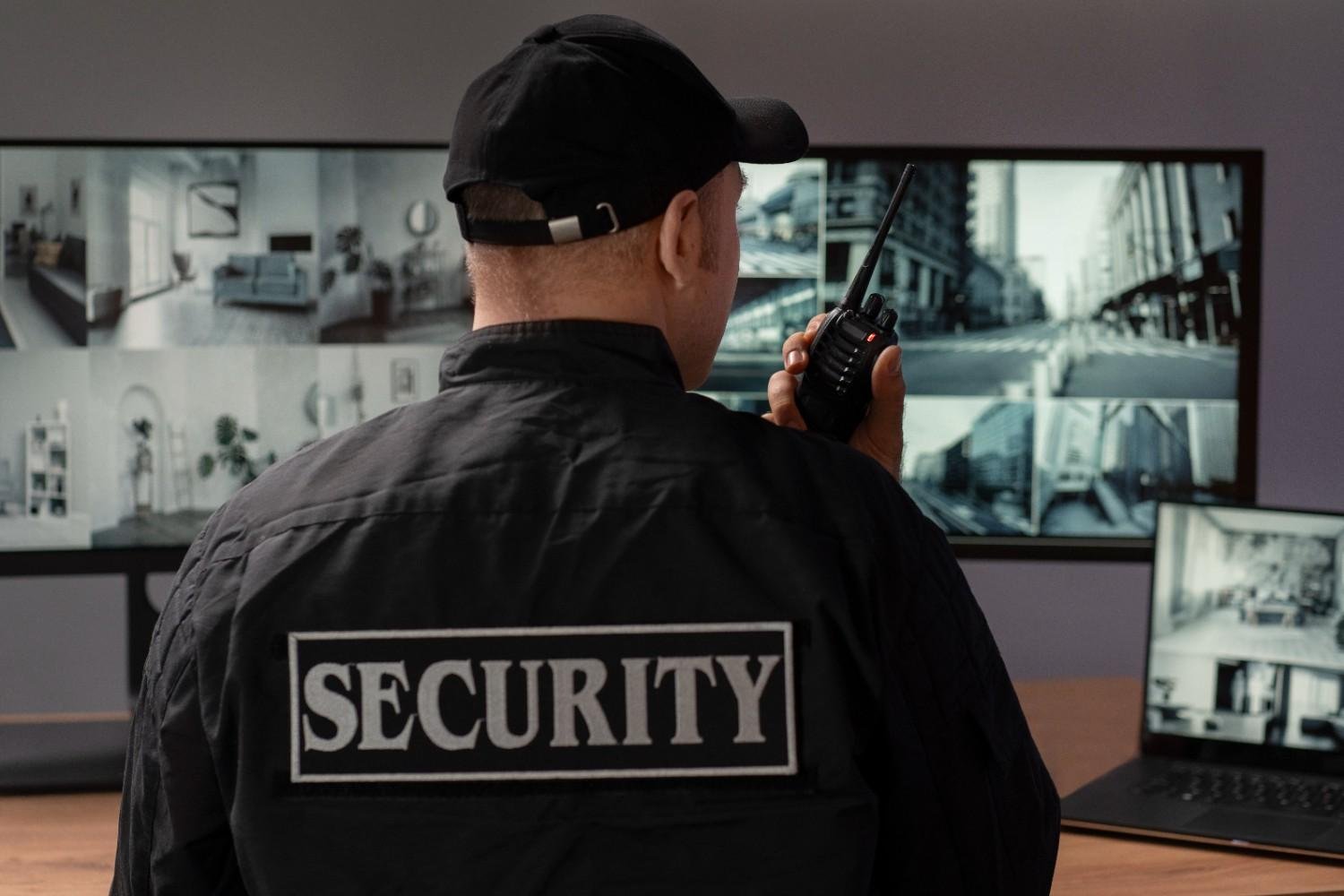
Commercial warehouses are known to require a higher degree of security than any retail establishment due to their sheer scale, the value of stored inventory, number of entry points, and shift rotations that occur throughout the day and night. As such, securing such a facility requires a more comprehensive approach than a single camera sweeping over the loading dock and an alarm on the front door.
With the increasing popularity of Richmond as a logistics and distribution hub, the value of such facilities grows, and with it – the risk of being targeted by criminals. The business owner who takes a proactive approach to security not only protects their inventory but also reduces their insurance costs and ensures the safety and productivity of their staff.
Challenges Specific to Warehouses
While retail stores may need a certain level of security, security risks in commercial warehouses are far greater in both proportion and magnitude than those posed by retail outlets. Given their size, commercial warehouses typically have multiple docks and entrances, as well as indoor and outdoor storage for goods. With that, we also get blind spots where monitoring can’t be installed, and the inventory it contains is ripe for theft, vandalism, and trespassing. The need for security is manifold, as these stores operate round the clock and their inventory includes flammable materials, high-end gadgets, and appliances, making them a fire hazard.
Preventative Security Measures
Perimeter fencing, access points, and motion-sensitive lighting are among the most important aspects of any commercial warehouse security system. These tools, while simple, prevent unauthorized entry and provide security guard Richmond with an easily monitored area. Lighting, in particular, is very useful in deterring trespassing because people cannot see potential threats at night. Controlled access points, meanwhile, enable better security management by limiting who can enter the facility and when. Access cards or keypads on inner doors prevent unauthorized access to specific high-value storage units.
Video surveillance is one of the pillars of commercial warehouse security. However, it must be noted that the placement of cameras is almost as important as their presence. Multiple cameras covering blind spots, stairwells, and loading docks are necessary to ensure full coverage of the facility.
The Importance of On-Site Personnel
While video surveillance is an important aspect of any security system, it is far from being enough. A competent and well-trained security force is often the best way to prevent crime. First and foremost, having guards on the property serves as a visible deterrent to potential offenders. Additionally, guards who know the premises well and have experience in commercial security are adept at monitoring their surroundings and can detect and assess potential threats faster than an off-site supervisor.
For high-scale facilities that operate around the clock and have high-value inventory, a competent 24-hour guard is often the best investment a business owner can make. A single-armed security officer can respond to alarms faster and more efficiently than an off-site guard and can call for outside assistance if the situation requires it. Furthermore, they can provide the local police with first-hand insight into the facility’s inner workings and security.
Creating an Effective Security Strategy
An effective security strategy often begins with a risk assessment. It is vital to tour the facility and analyze the business’s security needs based on the type of inventory, the likelihood of threats, and the potential damage to inventory and personnel in the event of an incident. Furthermore, it is important to analyze the weaknesses of the current security setup, if the facility already has one. Armed with this knowledge, the security company will be able to recommend the most effective course of action regarding equipment, access points, and on-site personnel.
Flexguard Security Corp. understands that most often, commercial facilities operate with a multi-tier security approach. This includes video surveillance, access monitoring, alarm systems, and guards who operate at different levels of authorization based on the area’s importance. It is vital to note that an effective security strategy requires regular maintenance and audits. Thus, businesses need to work with competent security firms that can suggest a balanced solution aligned with their needs.
Training and Standards of Security Personnel
The importance of adequate and relevant training is difficult to overestimate. Guards who operate in commercial warehouses need to know the basics of all aspects of the job to perform effectively. They should be aware of the layout of the facilities, the value of the stored inventory, and the most appropriate actions to deal with trespassing, fire hazards, and other threats unique to large-scale commercial facilities. Thus, it is important to choose a company that provides relevant, hands-on training to its personnel.
Key Takeaways
In summary, commercial warehouses require an intricate security setup due to the high value of stored inventory, the number of access points, and scale of operations. An effective security strategy often incorporates multiple methods and tools to ensure adequate protection for the facility, its equipment, and personnel. While video surveillance is one of the most important parts of any strategy, it often needs to be supplemented with physical security measures and on-site guards. This enables a multi-tier approach that ensures comprehensive protection for a commercial facility.
On the other hand, a career in commercial security is a great opportunity for someone looking to enter the security field. Not only does it offer a variety of different opportunities for those with little professional experience, but it also allows one to build stable working relationships and gain valuable insight into the different aspects of the field.
Frequently Asked Questions
Image by Magnific